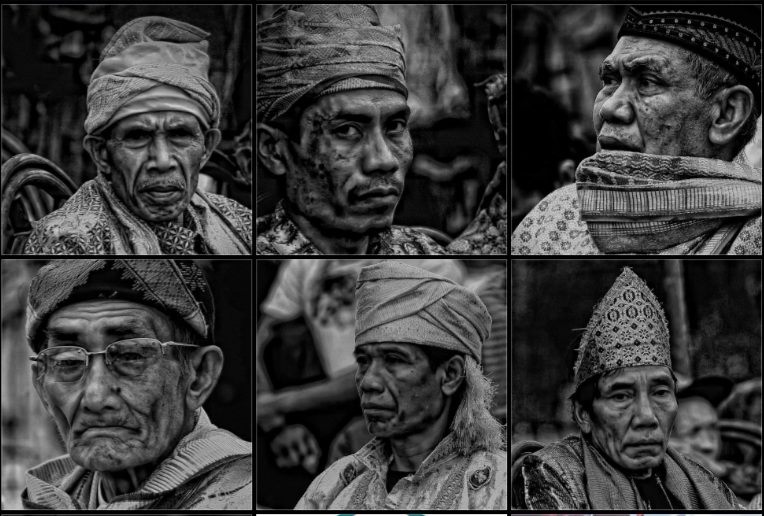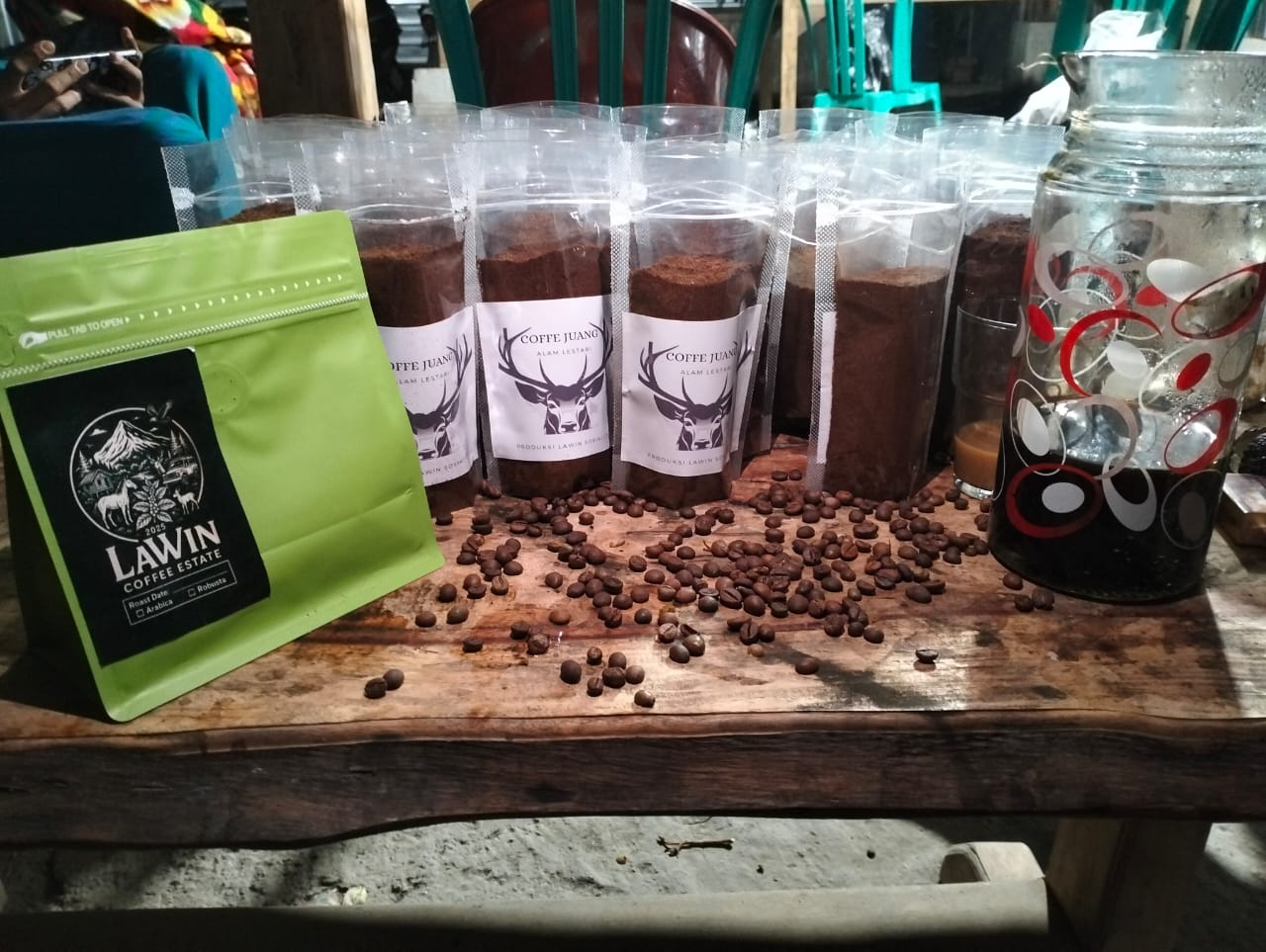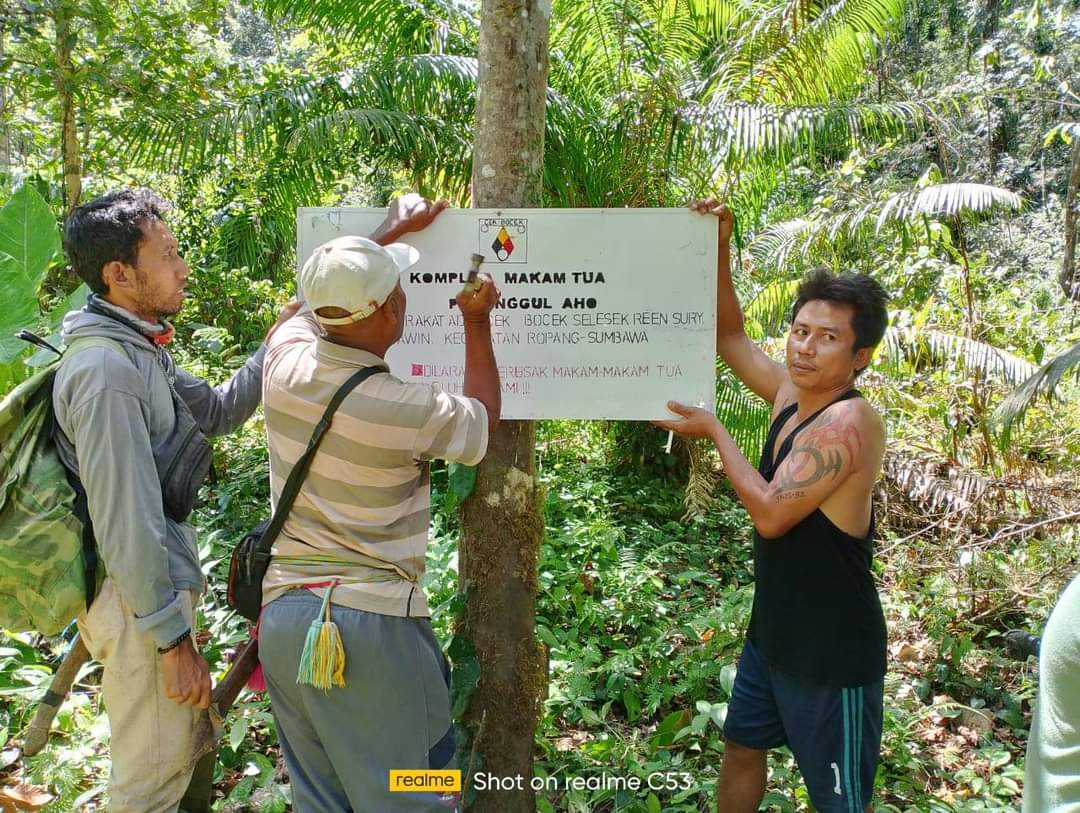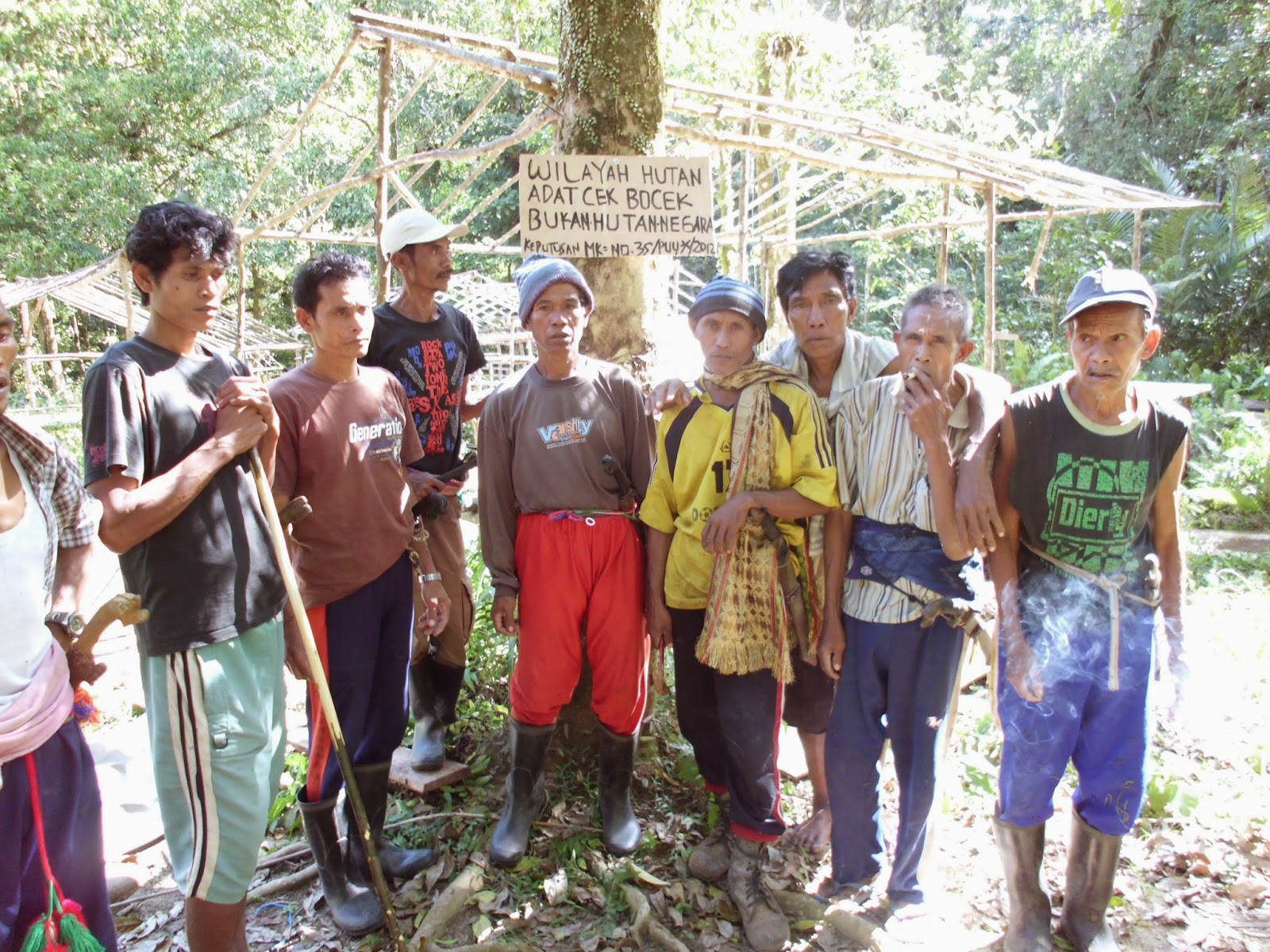
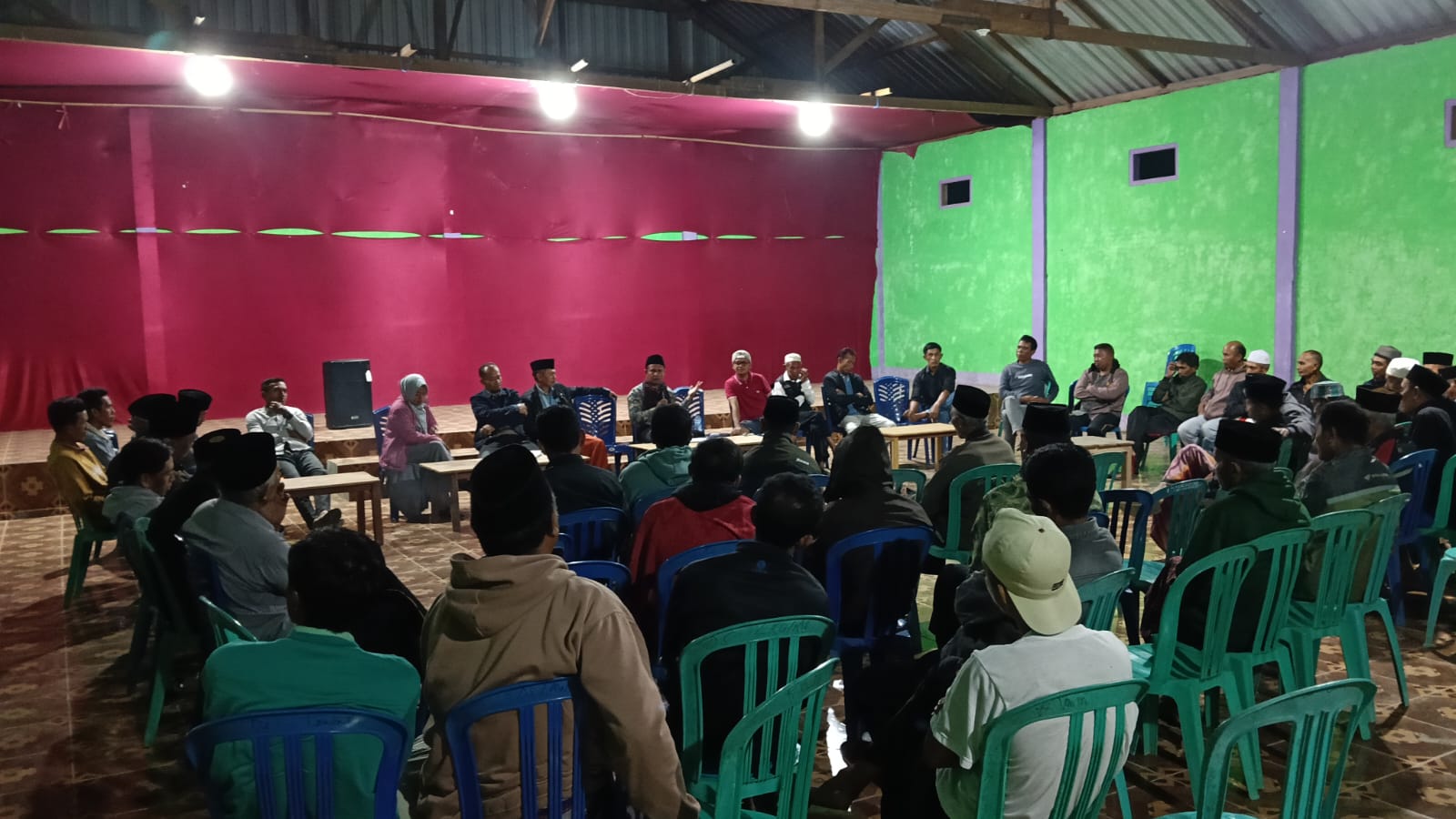
Lawin, Sumbawa, Indonesia — Hundreds of members of the Cek Bocek Selesek Reen Sury (CBSR) Indigenous Community convened a Grand Indigenous Assembly (Rapulung Adat) at the Lawin Village Hall, Ropang Sub-district, Sumbawa Regency, on Sunday (8 February 2026). The assembly brought together all customary institutions and community elements to reaffirm the mandate of community delegates and formally assert indigenous sovereignty over 29,216 hectares of ancestral territory.
The assembly was led by Indigenous Leader Datu Sukanda and Lawin Village Head Ahdiat Kartamiharja. It functioned as the community’s highest decision-making forum, convened specifically to consolidate collective positions and define the expected outcomes to be presented in an upcoming independently facilitated dialogue with PT Amman Mineral Nusa Tenggara (AMNT).
The dialogue, scheduled for February 2026, will be facilitated by The Copper Mark, under the leadership of Humberto Cantú Rivera, as part of a grievance-related engagement process.
Through consensus-based deliberation, the assembly formally appointed three authorized spokespersons: Datu Sukanda, Ahdiat Kartamiharja, and Febriyan Anindita. These delegates hold full and binding mandate to represent the community in asserting the legal standing of the CBSR Indigenous People as rightful owners of their ancestral lands, including areas overlapping with Elang Block II and Rinti Block III exploration zones.
Inherent Rights, Not Granted Permissions
In his address, Datu Sukanda emphasized that indigenous land rights in the interior of Sumbawa Island are not derived from state concessions or corporate recognition, but constitute inherent rights that pre-exist any mining license or administrative boundary.
“We are not gathering to ask for recognition. We are here to reaffirm what has always belonged to us. Our ancestral territory—29,216 hectares, including approximately 3,750 ancestral burial sites—is an expression of our inherent sovereignty,” Datu Sukanda stated.
Legal and Moral Legitimacy
Village Head Ahdiat Kartamiharja underscored that the outcomes of the Rapulung Adat carry strong legal and moral legitimacy, as they are derived from the free, collective, and informed participation of the entire indigenous community. The assembly’s resolutions will be formalized into an official summary document and submitted to the international mediator as a binding expression of community consent and position.
Historical Context: Forced Displacement and Continuing Spiritual Ties
The assertion of territorial sovereignty is rooted in a collective historical experience dating back to 1935, when Dutch colonial authorities forcibly relocated the Cek Bocek people from their forest homeland in the Elang Dodo area to what is now Lawin Village, for colonial administrative purposes.
Despite decades of displacement, the CBSR community has never relinquished spiritual, cultural, or customary ties to their ancestral lands. These ties are continuously reaffirmed through annual rituals conducted at thousands of ancient burial sites, many of which now fall within the boundaries of the current mining concession.
FPIC as a Non-Negotiable Standard
To this day, the people of Lawin Village continue to protect and steward their customary lands, despite limited access to infrastructure and public services.
Febriyan Anindita, Chair of AMAN (Indigenous Peoples Alliance of the Archipelago) Sumbawa Region, stressed that the community’s position should not be misinterpreted as anti-investment.
“Through this Indigenous Assembly, the Cek Bocek Selesek Reen Sury Indigenous People reaffirm that they remain open to mining investment only insofar as their territorial sovereignty is fully respected, and only where engagement complies with the principles of Free, Prior, and Informed Consent (FPIC) as articulated under UNDRIP, UN Guiding Principles on Business and Human Rights, IFC Performance Standards, and The Copper Mark criteria,” he stated.
He further emphasized that any dialogue process that fails to recognize indigenous land ownership, ancestral burial sites, and decision-making authority cannot be considered FPIC-compliant, regardless of procedural formality.